

ประเภททาวเวอร์เครนก่อสร้าง
Tower cranes used in construction fall into several main categories, distinguished primarily by their base configuration and how they're mounted or supported on the job site. The main types include free-standing, tied-in (attached to the building), climbing (moving up inside the building as it rises), and rail-mounted cranes ซึ่งแต่ละประเภทเหมาะกับความสูงของอาคาร ข้อจำกัดของสถานที่ และความต้องการในการจัดลำดับโครงการที่แตกต่างกัน
| ประเภท | การกำหนดค่า |
|---|---|
| ทาวเวอร์เครนแบบตั้งพื้น | ยึดกับฐานคงที่ ไม่ได้รับการสนับสนุนจากอาคาร ใช้สำหรับโครงการที่มีความสูงต่ำถึงกลาง |
| Tied-in tower crane | ยึดกับฐานและยึดกับโครงสร้างอาคารเป็นระยะๆ ขณะที่ยกขึ้น สำหรับอาคารสูง |
| Climbing tower crane | ตั้งอยู่ภายในแกนอาคาร โดยจะปีนขึ้นไปด้านในเมื่อการก่อสร้างดำเนินไป |
| ทาวเวอร์เครนแบบติดราง (เดินทาง) | ติดตั้งบนราง ช่วยให้สามารถเคลื่อนที่ในแนวนอนไปตามรางคงที่ทั่วไซต์งานขนาดใหญ่ |
| ทาวเวอร์เครนแบบตั้งตรง | การออกแบบที่กะทัดรัดซึ่งติดตั้งได้เองโดยไม่ต้องใช้เครนช่วยเหลือภายนอก สำหรับใช้กับไซต์ขนาดเล็ก |
หลักการทำงานของทาวเวอร์เครน
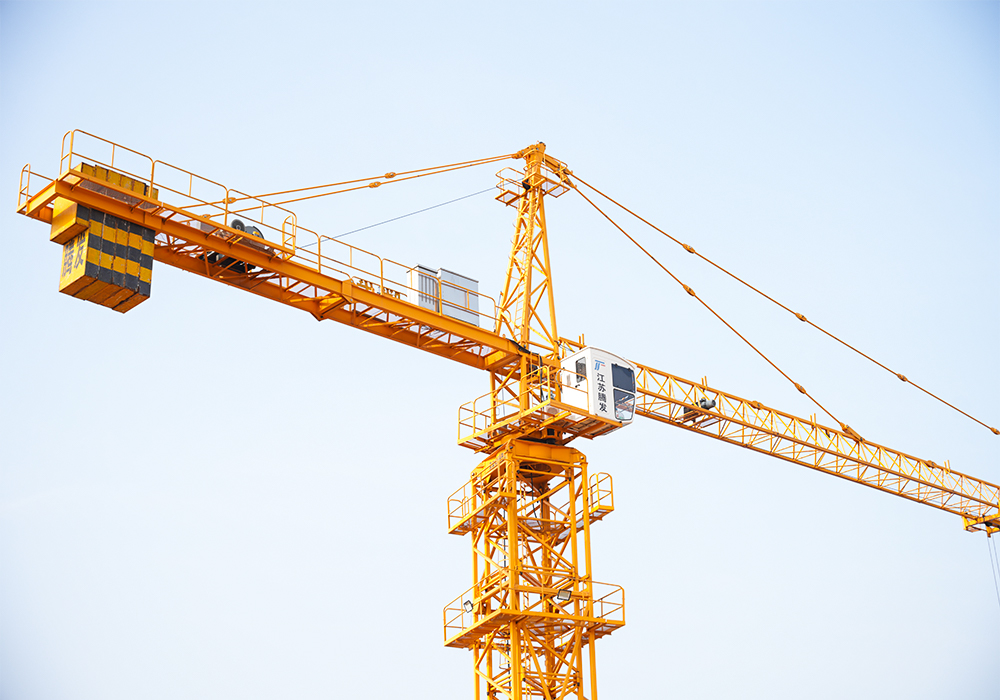
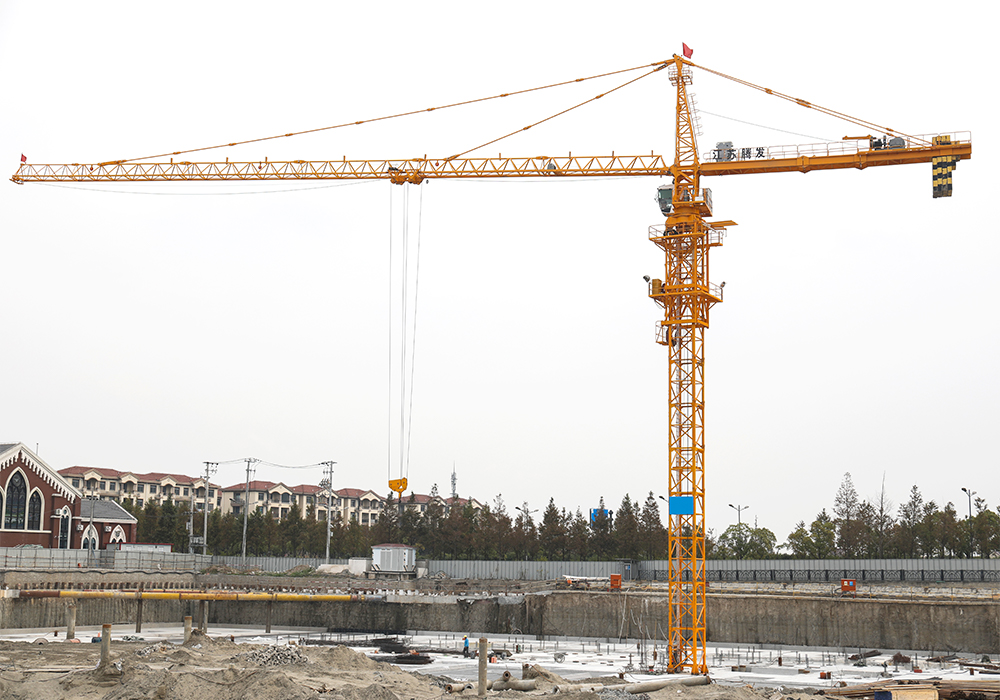
ทาวเวอร์เครนทำงานบนหลักการทางกลที่ไม่ซับซ้อนซึ่งนำไปใช้ในขนาดใหญ่: a vertical mast provides height and structural support, a horizontal jib provides reach, and a counter-jib with counterweights balances the load being lifted on the working side. The trolley runs along the jib to adjust the load's radius from the mast, while the hoist mechanism raises and lowers the load itself using a wire rope and hook block system.
ความสมดุลคือหลักการสำคัญ
The crane's stability depends on the counterweight system on the counter-jib balancing the moment created by the load on the working jib — this balance, combined with the mast's own structural integrity, is what allows a tower crane to lift heavy loads safely at significant height and horizontal distance.
The entire upper assembly — jib, counter-jib, and operator cab — rotates around the mast via a slewing mechanism, allowing the crane to position loads anywhere within its circular working radius without needing to relocate the crane base itself.
ทาวเวอร์เครนทำงานอย่างไร: ระบบหลัก
- Hoisting mechanism: ยกและลดภาระด้วยเชือกลวดควบคุมจากห้องโดยสารของผู้ควบคุม
- Slewing mechanism: หมุนชุดประกอบแขนหมุนทั้งหมดรอบเสาเพื่อวางตำแหน่งโหลดในมุมที่ต่างกัน
- Trolleying mechanism: เลื่อนรถเข็นไปตามแขนหมุนเพื่อปรับระยะห่างแนวนอนของโหลดจากเสา
- กลไกการปีน (สำหรับการปีนเครน): จะยกส่วนเสาของเครนขึ้นเมื่อความสูงของอาคารเพิ่มขึ้น
โครงสร้างและส่วนประกอบทาวเวอร์เครน
| ส่วนประกอบ | ฟังก์ชั่น |
|---|---|
| Base/foundation | ยึดเครนและขนถ่ายสินค้าทั้งหมดลงบนพื้น |
| Mast (tower) | ส่วนโครงสร้างแนวตั้งให้ความสูงของเครน |
| Slewing unit | กลไกการหมุนที่เชื่อมต่อเสาเข้ากับชุดส่วนบน |
| Jib (working jib) | แขนแนวนอนบรรทุกรถเข็นและน้ำหนักบรรทุก |
| Counter-jib | แขนตรงข้ามที่สั้นกว่าถือเครื่องถ่วงและเครื่องจักร |
| Counterweights | ปรับสมดุลโมเมนต์โหลดที่ด้านบูมทำงาน |
| Operator cab | สถานีควบคุมที่ผู้ปฏิบัติงานควบคุมการทำงานของเครนทั้งหมด |
| Hook block | ยึดโหลดเข้ากับเชือกลวดรอก |
วิธีการติดตั้งและใช้งานทาวเวอร์เครน
Installation begins with a reinforced concrete foundation designed to handle the crane's full base loading, sized according to the specific crane model's weight and maximum load moment. จากนั้นเครนจะถูกสร้างขึ้นเป็นขั้นตอน โดยทั่วไปจะใช้เครนเคลื่อนที่เพื่อยกและประกอบฐาน ส่วนเสาเริ่มต้น และชุดแกว่ง ตามด้วยชุดประกอบ jib และ counter-jib และการติดตั้งเครื่องถ่วงน้ำหนัก
For tall buildings, additional mast sections are added progressively as construction height increases — either by tying the crane into the building structure at intervals (tied-in configuration) or by using an internal climbing mechanism that raises the crane within the building core itself. Operation requires a certified operator working from the cab at height, often coordinated with ground-based signal personnel or radio communication to safely position loads that the operator may not have a direct line of sight to.
การใช้งานทาวเวอร์เครนในการก่อสร้าง
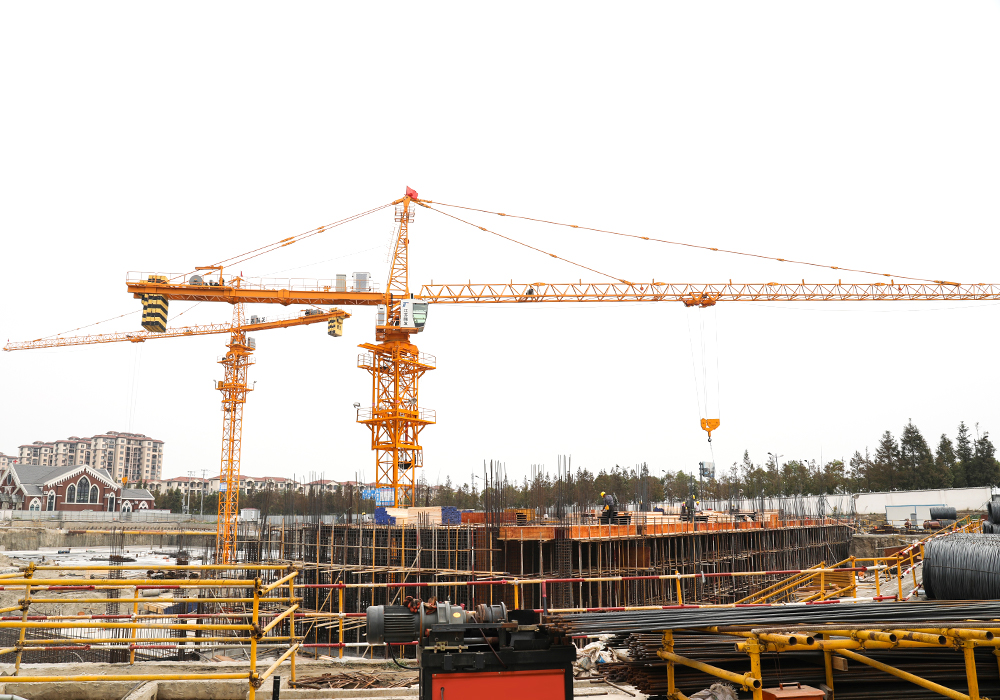
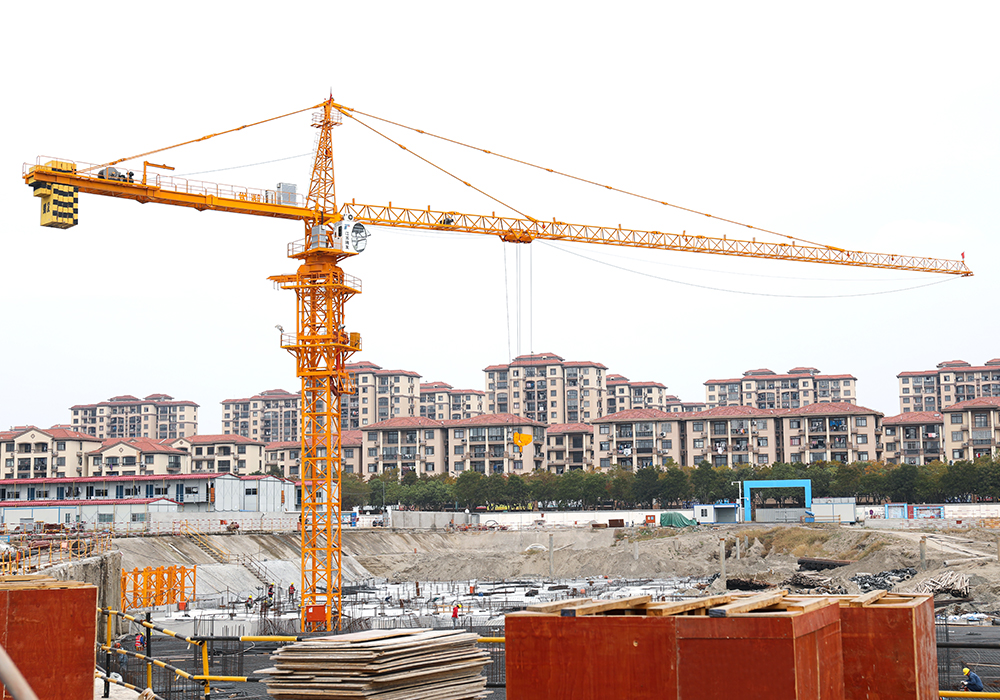
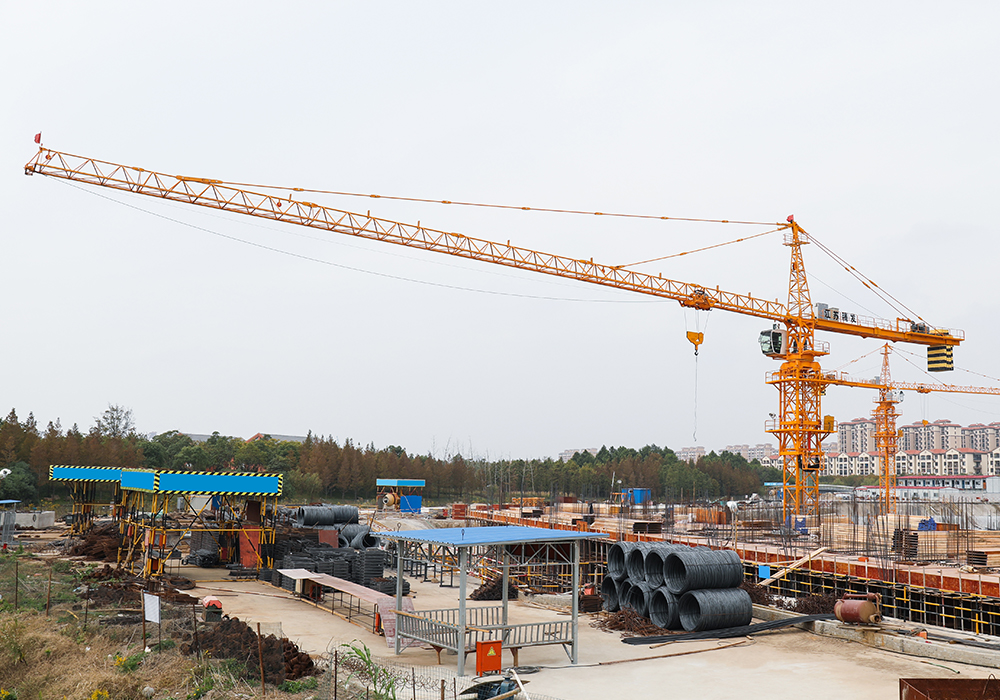
- การก่อสร้างอาคารพักอาศัยและอาคารพาณิชย์สูง
- การก่อสร้างสะพานและโครงการโครงสร้างพื้นฐานขนาดใหญ่
- การก่อสร้างโรงงานอุตสาหกรรมที่ต้องการการยกส่วนประกอบหนักในที่สูง
- การพัฒนาการใช้งานแบบผสมผสานขนาดใหญ่และอาคารขนาดกลางที่มีความสามารถในการเข้าถึงและยกมีมากกว่าข้อจำกัดของเครนเคลื่อนที่
ความสามารถในการยกทาวเวอร์เครน
Tower crane lifting capacity isn't a single fixed number — it varies based on the load's horizontal distance (radius) from the mast, following an inverse relationship where ความสามารถในการยกสูงสุดจะเกิดขึ้นที่รัศมีต่ำสุด และความจุจะลดลงเรื่อยๆ เมื่อรัศมีเพิ่มขึ้น . This relationship exists because of the increasing moment (rotational force) the load places on the crane structure as it moves further from the mast, even though the load's actual weight hasn't changed.
Manufacturers publish load charts specific to each crane model and jib configuration, showing maximum permissible load at each radius increment — operators and site planners reference these charts continuously to confirm a specific lift is within the crane's safe capacity at the required distance, rather than relying on a single generalized capacity figure for the crane as a whole.
ทาวเวอร์เครนกับเครนเคลื่อนที่
| ปัจจัย | Tower Crane | Mobile Crane |
|---|---|---|
| ความสามารถด้านความสูง | สูงมาก เหมาะกับการก่อสร้างอาคารสูง | ถูกจำกัดด้วยความยาวของบูม โดยทั่วไปความสูงสูงสุดจะต่ำกว่า |
| ความคล่องตัว | แก้ไขให้เข้าที่เมื่อสร้างขึ้นแล้ว | สามารถย้ายบริเวณไซต์งานหรือระหว่างไซต์งานได้ |
| เวลาตั้งค่า | อีกต่อไปต้องใช้รากฐานและการก่อสร้างหลายขั้นตอน | เร็วขึ้นโดยทั่วไปพร้อมทำงานหลังจากมาถึงไม่นาน |
| ความสามารถในการยกตลอดระยะเวลาโครงการทั้งหมด | สม่ำเสมอ ทุ่มเทให้กับไซต์งานตลอดระยะเวลาของโครงการ | มักนำไปใช้กับการยกของหนักโดยเฉพาะ แทนที่จะใช้งานต่อเนื่อง |
| เหมาะที่สุดสำหรับ | โครงการอาคารสูงและระยะยาวพร้อมความต้องการการยกที่ยั่งยืน | โครงการที่มีระยะเวลาสั้นกว่า โครงสร้างที่มีความสูงต่ำ หรือการยกของหนักเสริม |
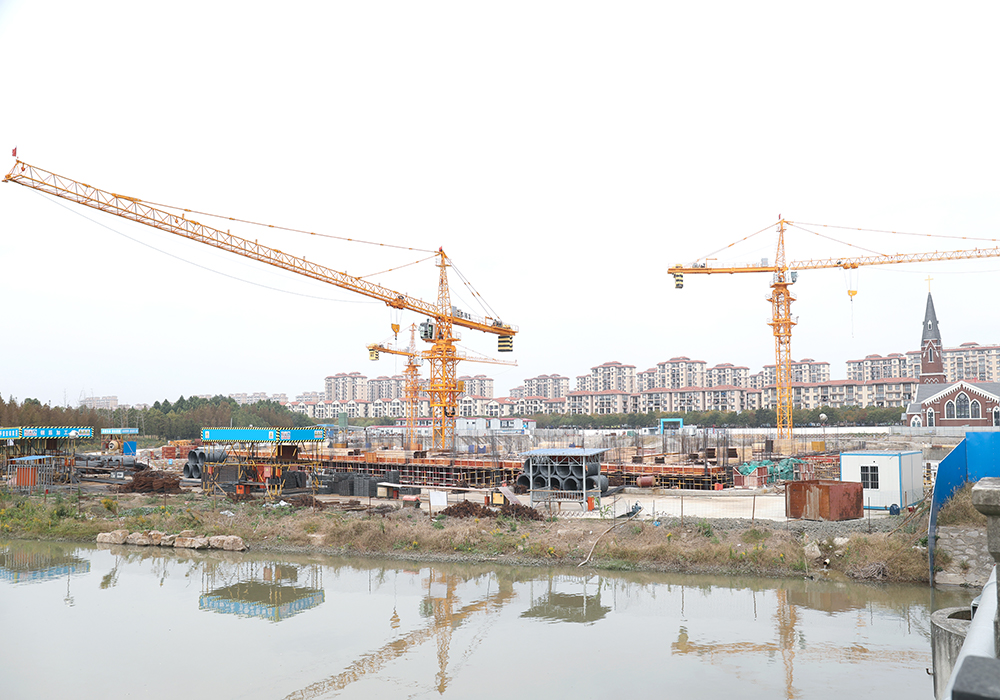
Many large construction projects use both crane types together — a tower crane handling continuous material and formwork lifting throughout the build, supplemented by a mobile crane for specific heavy or oversized lifts, such as setting large precast elements or mechanical equipment, that fall outside the tower crane's most efficient operating range.